April 5, 2026
What Is AAC?
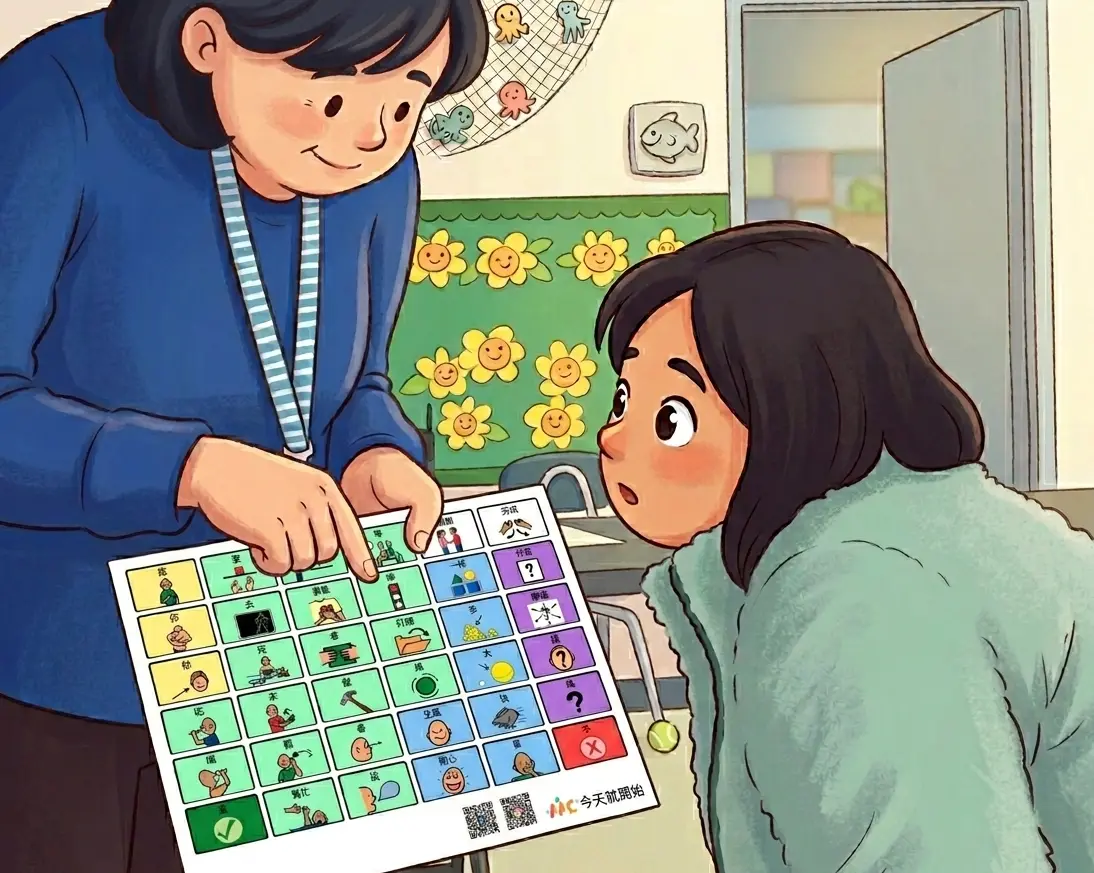
What is AAC (Augmentative and Alternative Communication)? Who needs AAC? Why is AAC important? Any communication method beyond verbal speech can be AAC. Everyone deserves a voice!
Read More →12 articles
What is AAC (Augmentative and Alternative Communication)? Who needs AAC? Why is AAC important? Any communication method beyond verbal speech can be AAC. Everyone deserves a voice!
Read More →
Inviting parents of minimally verbal or non-verbal children ages 3–7 to participate in a research study exploring how shared book reading can support communication development.
Read More →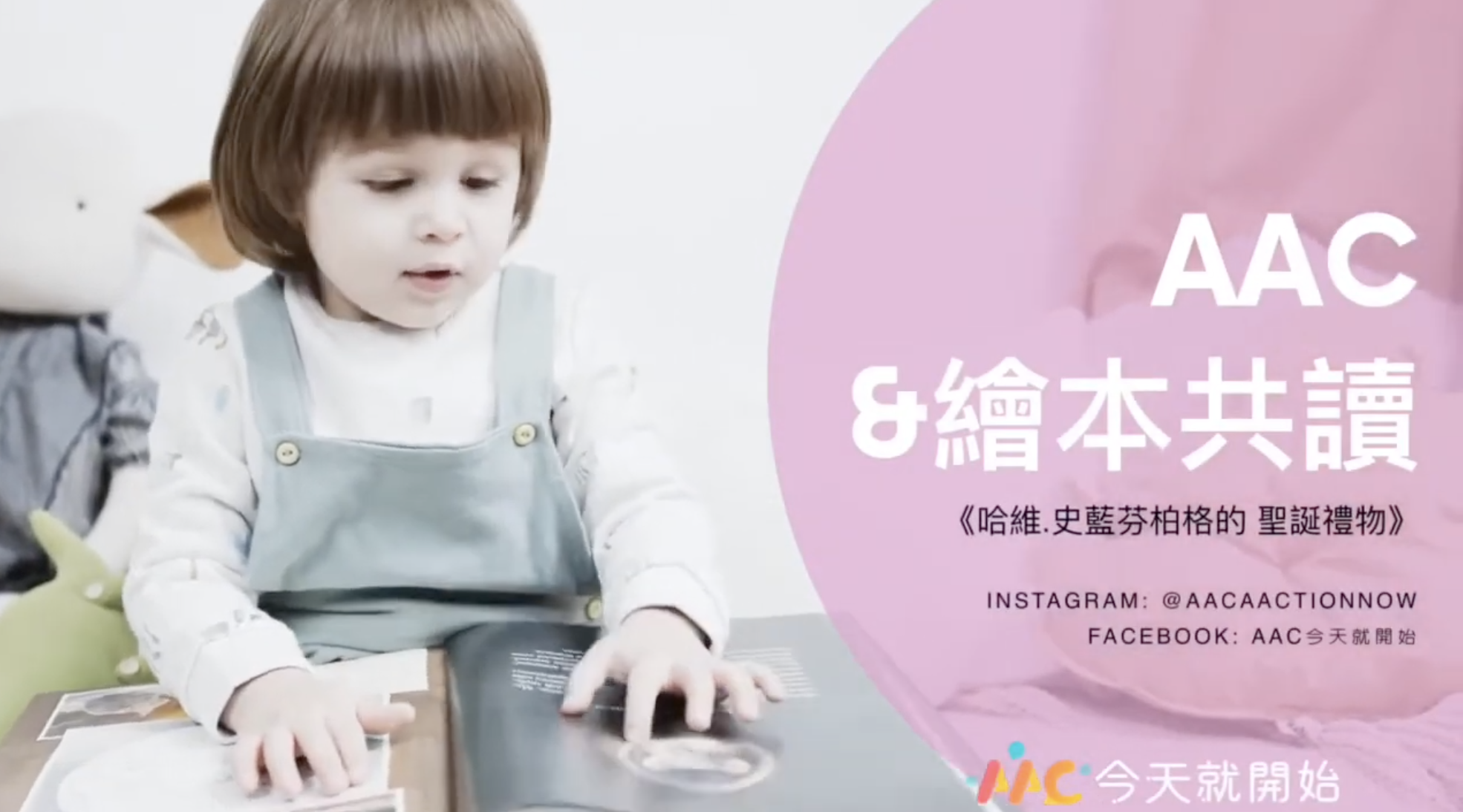
The heart of shared book reading is using stories as a bridge for adults and children to interact and communicate, encouraging children to actively participate in storytelling. The video demonstrates modeling AAC vocabulary during shared reading so that children without speech can participate and express themselves.
Read More →
A comprehensive list of AAC vendors in Taiwan organized by device category, based on Taiwan's Ministry of Health and Welfare assistive device subsidy guidelines. Links are continuously updated.
Read More →
A patient suffered an ICH stroke resulting in right hemiplegia and aphasia, with verbal expression unable to meet daily communication needs. The SLP used AAC intervention, thinking from a social perspective about how to help the patient interact and build relationships.
Read More →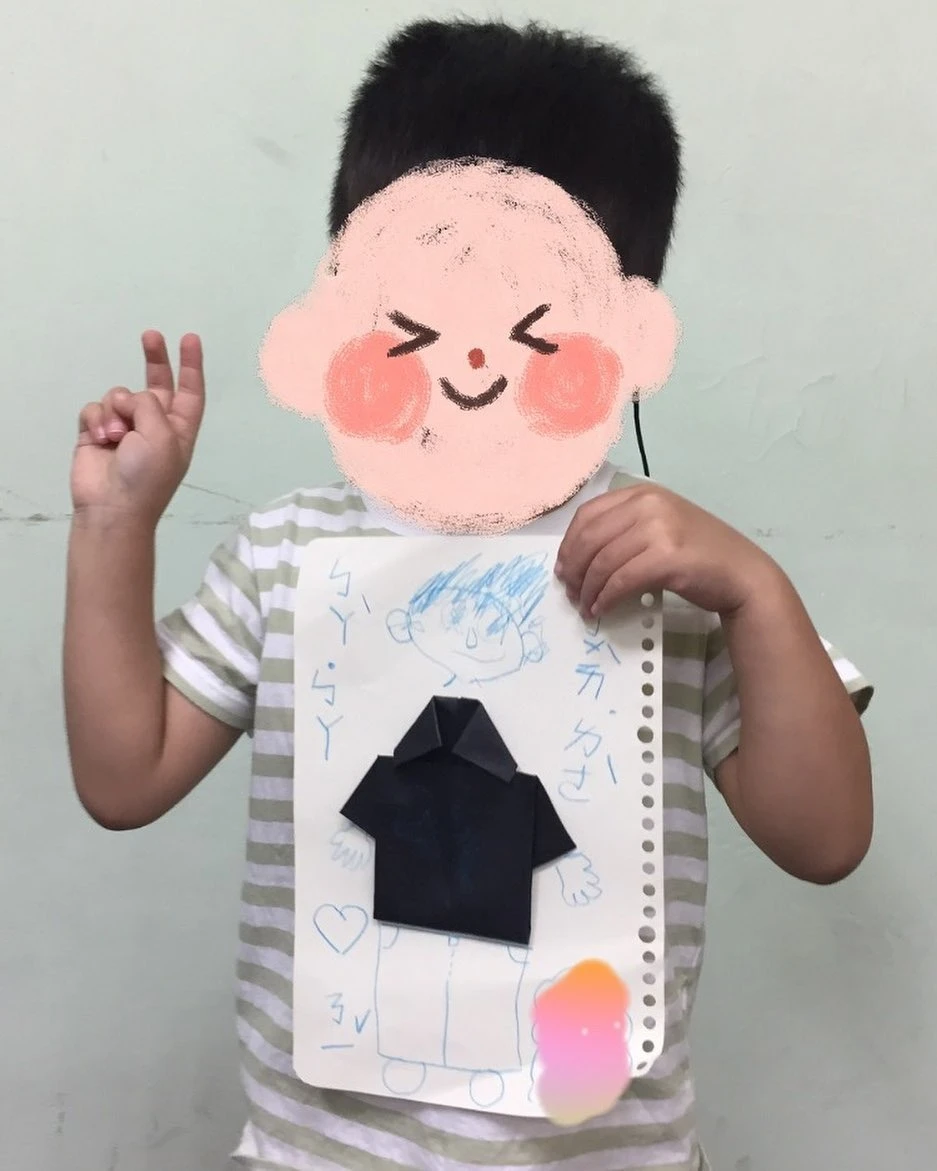
Father's Day AAC activities: Use AAC to say 'Dad, I love you!' Read picture books together. Make a Father's Day card. Let children use AAC to participate in every part of the celebration!
Read More →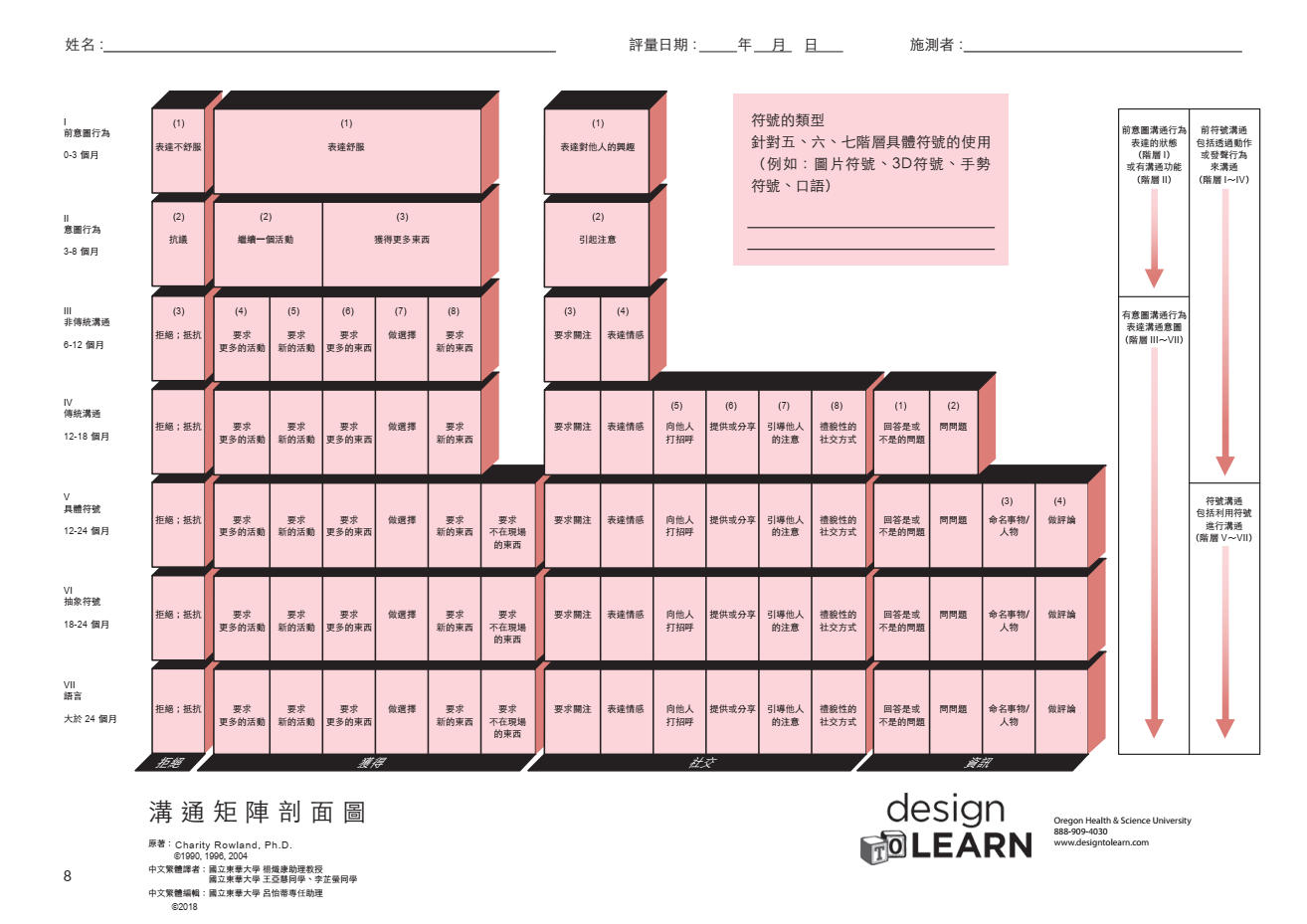
The Communication Matrix is an excellent tool for assessing beginning communicators who are non-verbal or minimally verbal. It provides a clear picture of an individual's developmental abilities across different communication functions.
Read More →
We visited a developmental center and did creative art with the residents, using AAC communication boards so that non-verbal or minimally verbal individuals could participate and share their thoughts. It's not that they can't — it's that we haven't taught them. Everyone wants to be seen and valued.
Read More →
Using a child's favorite wind-up toys to demonstrate how to model AAC core vocabulary during play — including how to model, how to prompt, and how to respond to the child.
Read More →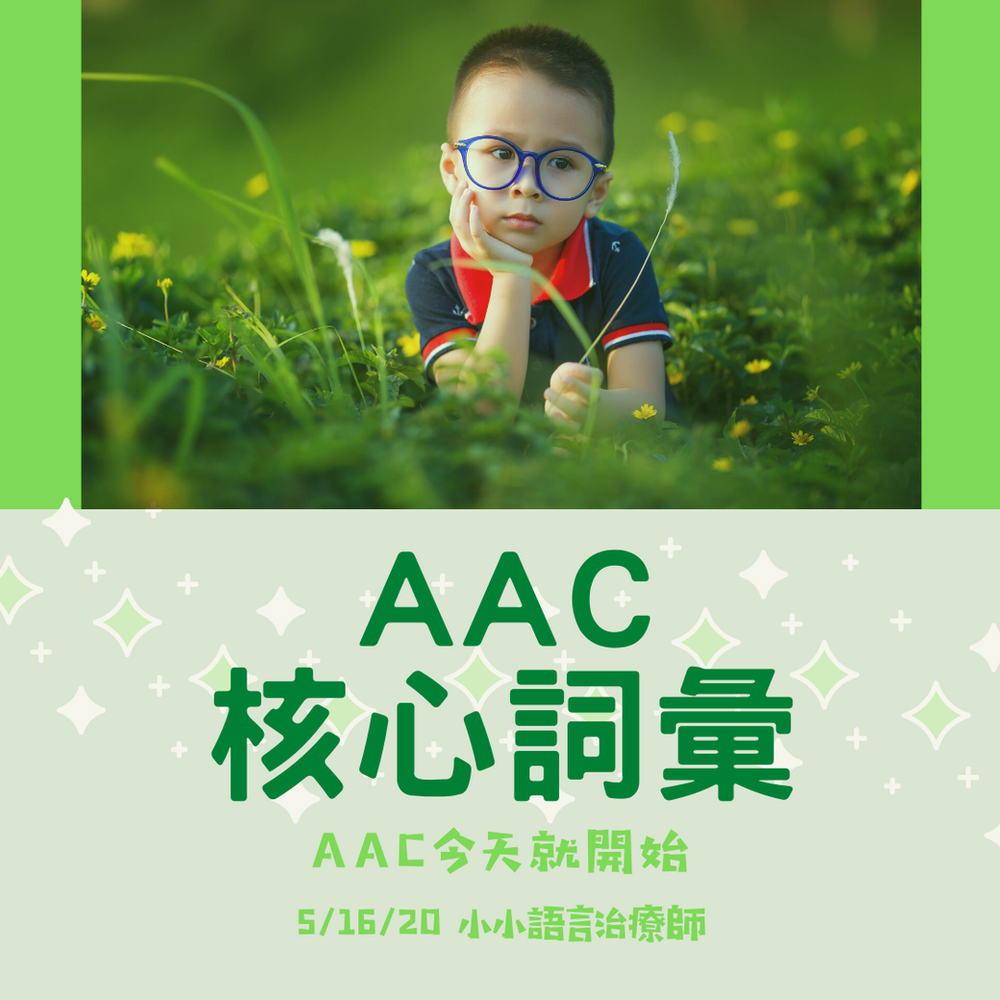
Research shows that 80% of what we say is made up of just 200–300 words — we call these core vocabulary. Why use core vocabulary in AAC? It enables multiple communication functions and allows communication anytime, anywhere.
Read More →
Many people ask me how to design AAC communication board pages, so I recorded this video to demonstrate. No matter what app you use, remember to: use core vocabulary, start with the maximum grid size the child can access, and include multiple communication functions.
Read More →
Mother's Day calls for AAC too! Core words for Mother's Day: mom, I, love, you, thank you, help. The power of core vocabulary is that just a few words can be combined into so many messages!
Read More →